

T: +86-571-87819638
P: +86-138-19484466
E: overseas@cnjinling.com
E: overseas@cnjinling.com
No. 38, JieFang East Road, DianKou Town, ZhuJi City, Zhejiang Province, China
Views: 0 Author: Site Editor Publish Time: 2025-11-06 Origin: Site


Cooling towers are vital for industrial heat management. They efficiently transfer heat from systems using water evaporation. The materials used, especially stainless steel, are key to their effectiveness and longevity In this guide, we’ll explore stainless steel selection for cooling towers. You’ll learn about different grades like 301L, 304, and 316, and how to choose the best one for your needs.
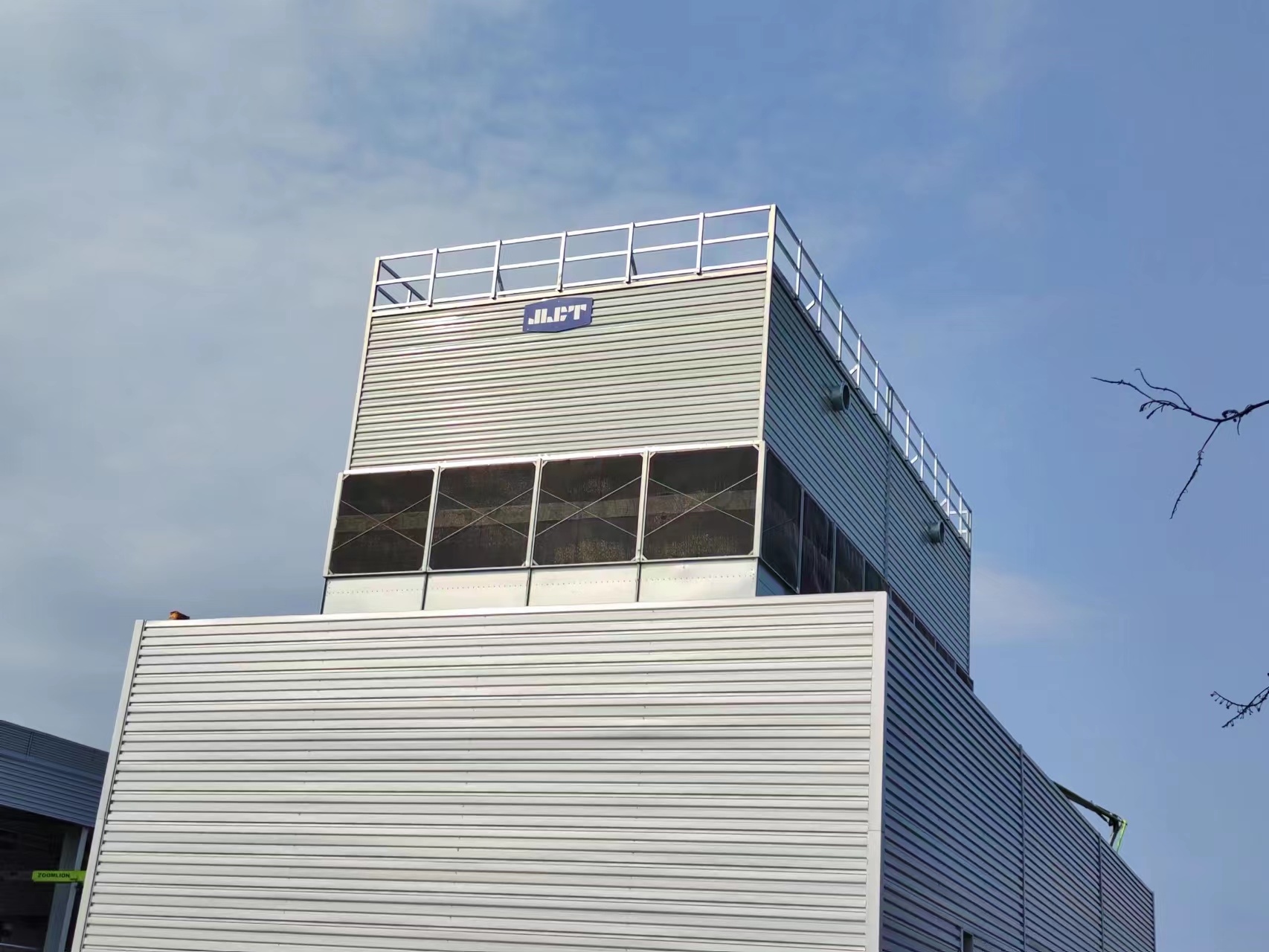
Stainless steel is well-known for its durability, corrosion resistance, and strength. These properties make it an excellent material choice for cooling towers, where components are constantly exposed to harsh environmental factors such as humidity, water, and chemicals. However, not all stainless steel grades are created equal. Three common grades used in cooling towers are Type 301L, Type 304, and Type 316.
| Stainless Steel Grade | Carbon Content | Corrosion Resistance | Use Case |
|---|---|---|---|
| Type 301L | 0.03% | Superior at welded joints | Best for welded components, particularly cooling tower basins. |
| Type 304 | 0.08% | Good in moderate conditions | Suitable for general applications with mild to moderate corrosion risks. |
| Type 316 | 0.08% | Best for harsh environments (e.g., seawater) | Ideal for areas with high chloride or low pH conditions. |
Type 301L is a low-carbon version of Type 301 stainless steel. The “L” in 301L stands for “low carbon,” which reduces the amount of carbon content in the material, thus improving its corrosion resistance. Type 301L is often chosen for its ability to resist corrosion at welded seams, which are typically weak points in stainless steel structures.
Advantages of Type 301L: Excellent resistance to intergranular corrosion at welded joints, high tensile and yield strength, and superior fatigue resistance compared to Type 304.
Use Case: Ideal for welded components in cooling towers, such as basins, where corrosion resistance is a top priority.
Type 304 is one of the most common stainless steel grades used for general-purpose applications. It has a slightly higher carbon content than Type 301L, which can make it more prone to corrosion at the welded seams. However, Type 304 still provides good resistance to corrosion in most cooling tower environments.
Advantages of Type 304: Strong resistance to oxidation, corrosion, and moderate chloride exposure. Cost-effective compared to Type 316.
Use Case: Suitable for environments with mild to moderate corrosive factors, such as freshwater cooling towers that don’t experience aggressive conditions like seawater cooling towers.
Type 316 is the most corrosion-resistant stainless steel grade available. The addition of molybdenum enhances its resistance to pitting, crevice corrosion, and stress corrosion cracking, making it the ideal choice for environments where there are high levels of chloride or acidic conditions.
Advantages of Type 316: Outstanding resistance to corrosion in aggressive environments, particularly high-chloride conditions like seawater. Provides long-term reliability in extreme environments.
Use Case: Best for cooling towers located near coastal areas, or those operating with highly chlorinated water.
The carbon content of stainless steel plays a significant role in its corrosion resistance, particularly at welded joints. In cooling towers, where components are often welded together, the risk of corrosion at the welds is higher. Stainless steel with lower carbon content is less likely to form carbide precipitates, which can weaken the welds and increase the risk of corrosion.
Carbon Content’s Impact: The higher the carbon content, the greater the risk of corrosion at the welded areas. For instance, Type 301L, with its lower carbon content (0.03%), offers better corrosion resistance at welds compared to Type 304, which has a carbon content of up to 0.08%.
Why Type 301L is Preferred: Type 301L provides better resistance to corrosion at the welds and offers enhanced fatigue resistance. This makes it a better choice for welded components like cooling tower basins, which are constantly exposed to water and air.
Tip: When choosing stainless steel for welded cooling tower components, always prioritize low-carbon grades such as Type 301L to minimize corrosion risks at the weld seams.
Cooling towers are typically exposed to water, which can contain various chemicals and salts that promote corrosion. Stainless steel, due to its high chromium content, forms a protective oxide layer on its surface, which makes it resistant to rust and other forms of corrosion. This is particularly important in cooling tower applications, where components like basins, structural frames, and distribution systems are continuously exposed to water and air.
How Corrosion Resistance Works: When water evaporates in the cooling tower, it leaves behind dissolved salts and chemicals. These can corrode unprotected materials over time. Stainless steel’s corrosion resistance ensures that the cooling tower remains operational for many years with minimal maintenance.
Cost Efficiency: The extended lifespan and reduced need for repairs or replacements make stainless steel an investment that pays off over time, especially in harsh environments.
Beyond corrosion resistance, stainless steel provides superior strength and durability, which is crucial for the long-term performance of cooling towers. The strength of stainless steel ensures that the cooling tower’s structural integrity is maintained, even under heavy operational stress.
Structural Stability: Stainless steel can withstand the mechanical stress that comes with continuous operation, including vibration from fans, thermal expansion from fluctuating temperatures, and the weight of water in the basin.
Case Study: Marley, a leading cooling tower manufacturer, uses Type 301L stainless steel for their welded basins due to its superior performance at the welds. The material’s strength and corrosion resistance ensure that the basins perform reliably over time, even in harsh industrial environments.
Tip: For cooling towers operating in harsh industrial environments, selecting stainless steel for the structural frame and basins ensures both durability and long-term reliability.
When selecting stainless steel for cooling tower components, there are several factors to consider. The primary considerations include the type of water used in the system, the environmental conditions, and the severity of exposure to corrosive elements.
Water Quality: The type of water (freshwater, seawater, or well water) can affect the material’s performance. For example, seawater has high chloride content, which can cause rapid corrosion, making Type 316 stainless steel the better choice in such conditions.
Environmental Factors: The pH of the environment is another critical factor. Low pH environments can lead to more aggressive corrosion, making Type 316 more suitable due to its higher corrosion resistance.
Welded vs. Non-Welded Components: For welded components, such as basins and structural supports, Type 301L or Type 304 should be considered, as they offer excellent corrosion resistance at the welds.
Type 316 stainless steel is specifically designed for extreme conditions. It is the best option when cooling towers operate in environments where corrosion is accelerated, such as in areas with high chloride or acidic conditions.
Harsh Environments: Type 316 is the preferred choice for cooling towers exposed to seawater, saltwater, or highly chlorinated water. Its molybdenum content helps resist corrosion in these aggressive environments.
Low pH Conditions: If the cooling tower operates in an acidic environment, Type 316 stainless steel’s resistance to acid corrosion makes it a suitable material for components exposed to the water.
When choosing materials, consider the specific conditions that the cooling tower will face to ensure maximum efficiency and longevity.
The cooling tower basin is one of the most critical parts of the cooling tower, as it holds the water that is recirculated through the system. The material selection for this component must prioritize both corrosion resistance and structural integrity.
| Cooling Tower Basin Material | Corrosion Resistance | Durability | Use Case |
|---|---|---|---|
| Stainless Steel | Excellent | High | Ideal for most industrial applications due to its long lifespan. |
| Fiberglass | Good | Moderate | Lightweight and corrosion-resistant, but not as durable as stainless steel. |
| Concrete | Good | High | Best for large towers and harsh environments but heavy and expensive. |
Stainless Steel Basins: Stainless steel basins are highly resistant to corrosion and are often chosen for their long lifespan. These basins require minimal maintenance, and their welded joints provide a rigid structure that reduces the risk of leaks.
Fiberglass and Concrete Basins: Fiberglass basins are lightweight and corrosion-resistant but may not provide the same level of durability as stainless steel. Concrete basins, while heavy and expensive, perform well in harsh environments and are the most durable option for larger systems.
Apart from the basin, several other cooling tower components benefit from stainless steel’s strength and corrosion resistance. These include structural frames, louvers, and fan blades.
Structural Frames: Stainless steel is often used for the structural frame of cooling towers due to its strength, resistance to corrosion, and ability to withstand mechanical stresses.
Louvers and Fans: Stainless steel fan blades and louvers offer enhanced durability, especially in cooling towers that experience constant exposure to high-moisture environments.
One common mistake in stainless steel selection is overestimating the need for high-end materials such as Type 316. While Type 316 is excellent for extreme environments, it may not be necessary for all applications. Engineers should carefully assess the operational conditions before opting for the most expensive stainless steel.
| Stainless Steel Grade | Recommended Conditions | Cost Effectiveness |
|---|---|---|
| Type 316 | High chloride, low pH environments | High-cost, but long-lasting in harsh environments. |
| Type 304 | Moderate exposure to corrosion | More affordable for standard applications. |
| Type 301L | Welded components in mild environments | Provides excellent corrosion resistance without over-investing. |
Cost vs. Performance: In many cases, Type 304 or Type 301L will provide sufficient corrosion resistance at a lower cost, especially for cooling towers located in less aggressive environments.
Even the best stainless steel can suffer from corrosion if proper maintenance is neglected. Cooling tower components should be regularly inspected for signs of wear, corrosion, or scale buildup.
Water Treatment: Implementing regular water treatment procedures and ensuring proper filtration can prevent scaling and biological growth in cooling towers, extending the lifespan of stainless steel components.
Selecting the right stainless steel for cooling towers is crucial for long-term durability and performance. Engineers must consider environmental conditions, operational needs, and corrosion risks. Stainless steel, especially grades like Type 301L and Type 316, offers exceptional corrosion resistance and strength. With JLCT's products, cooling tower operators can ensure efficient, cost-effective solutions, avoiding costly repairs while maximizing reliability and performance.
A: Type 301L and Type 316 stainless steels are commonly recommended for cooling towers due to their excellent corrosion resistance and structural strength.
A: Corrosion resistance ensures that cooling tower components, such as basins and structural frames, last longer, reducing the need for repairs and improving system efficiency.
A: Lower carbon content, like in Type 301L, offers superior corrosion resistance at welded seams, making it ideal for cooling towers that require welded components.
A: Yes, stainless steel is ideal for key cooling tower components, including basins, structural frames, and fan blades, thanks to its strength and resistance to corrosion.
A: Consider the water type, environmental conditions, and exposure to corrosive elements when choosing the right stainless steel for cooling tower components.


