

T: +86-571-87819638
P: +86-138-19484466
E: overseas@cnjinling.com
E: overseas@cnjinling.com
No. 38, JieFang East Road, DianKou Town, ZhuJi City, Zhejiang Province, China
Views: 0 Author: Site Editor Publish Time: 2025-11-05 Origin: Site


Chemical process plants play a vital role in producing everything from chemicals to fuels. However, keeping these plants running efficiently requires reliable cooling systems. As environmental regulations tighten and infrastructure ages, managing rising heat loads becomes more complex. Cooling towers are crucial for maintaining process stability and preventing overheating. In this article, we will discuss how cooling towers function, the challenges they face, and the solutions that help ensure long-term efficiency and compliance.
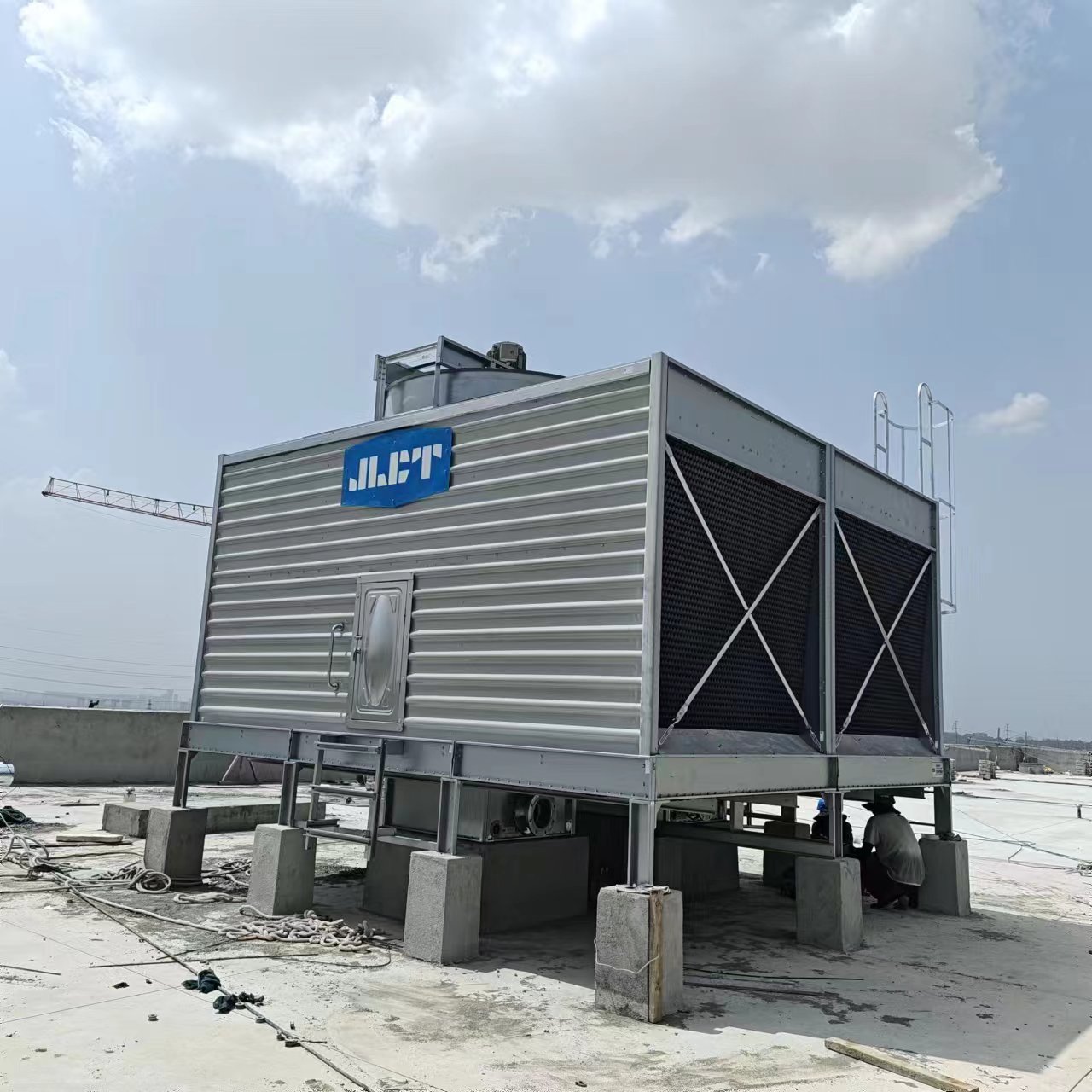
A cooling tower is a specialized device used to dissipate heat from water used in industrial processes, primarily by employing a heat exchange mechanism between water and air. Water, heated by industrial equipment, is pumped into the cooling tower, where it is exposed to airflow that cools the water through evaporation.
The cooling process is simple but highly effective:
Water is sprayed through nozzles to maximize surface area exposure.
Air is drawn into the tower by fans, increasing evaporation efficiency.
Cooled water is recirculated back into the plant to absorb more heat, reducing the need for a constant fresh supply of water.
This process ensures that critical machinery and chemical reactions remain within their required temperature range, minimizing the risk of overheating and increasing overall plant efficiency.
Choosing the right cooling tower for a chemical plant depends on several factors, including the plant’s size, heat load, and environmental considerations. The main types include:
| Cooling Tower Type | Description | Best Suited For |
|---|---|---|
| Field-Erected Towers (FEP) | Custom-built on-site to handle large heat loads. | Heavy industrial applications (e.g., refineries). |
| Factory-Assembled Towers (FAP) | Pre-fabricated and shipped for easy installation. | Plants with smaller cooling needs or requiring fast installation. |
| Wet Cooling Towers | Use water evaporation for cooling. | Areas with abundant water supply. |
| Dry Cooling Towers | Use air to cool the fluids, requiring no water evaporation. | Areas with water scarcity. |
Tip: When selecting between field-erected and factory-assembled towers, consider the heat load, available space, and installation time to determine the most suitable solution for your facility.
Cooling towers are vital in maintaining the thermal balance required for efficient chemical processes. When process water becomes too hot, it can lead to various issues, such as equipment breakdown, reduced chemical reaction efficiency, and increased energy consumption. By regulating water temperatures, cooling towers help ensure optimal operating conditions for both equipment and chemical reactions.
Maintaining Optimal Temperatures for Chemical Reactions: In many chemical processes, temperature control is a crucial factor for reaction rates. If temperatures are too high, reactions may proceed too quickly or cause unwanted byproducts. Cooling towers regulate temperatures, ensuring reactions occur at the desired rate, which in turn improves yield and quality.
Reducing Operational Downtimes: Cooling towers play a crucial role in minimizing the risk of overheating, which could lead to equipment malfunctions or shutdowns. With proper temperature regulation, the likelihood of operational downtimes due to overheating is significantly reduced, leading to improved productivity and reduced costs.
As modern chemical processes become more complex and energy-intensive, they generate significantly higher heat loads. In many cases, existing cooling systems struggle to handle these increased demands. Upgrading or replacing cooling towers is often necessary to ensure continued efficiency.
Adapting to Modern Production Demands: With growing production volumes and more intensive processes, cooling towers need to be capable of handling larger amounts of heat. This may require upgrading the existing system with larger capacity units or incorporating newer, more efficient technologies to increase cooling capacity.
Modular Cooling Tower Solutions: One of the major benefits of modern cooling towers is their modular design, allowing them to be expanded as needed. Modular systems offer flexibility, enabling plants to scale cooling capacity up or down based on fluctuations in heat load without requiring a complete overhaul of the cooling system.
As cooling towers age, they inevitably encounter a range of issues that affect their performance. The materials used in older cooling towers, such as wood and steel, are susceptible to corrosion, wear, and scale buildup. These issues not only reduce efficiency but can also result in unplanned downtime and increased maintenance costs.
Common Failures in Old Cooling Towers: Over time, cooling towers can suffer from various problems, including clogged fill material, rusted components, and degraded heat transfer performance. These issues can compromise the tower’s cooling capacity, leading to higher energy consumption and increased operational costs.
Upgrading or Replacing Aging Cooling Towers: Replacing or upgrading old towers is often necessary to improve efficiency and comply with modern industry standards. However, upgrading existing towers with newer components such as corrosion-resistant materials, improved fill designs, and better fans can help extend their service life without the need for a complete replacement.
To maximize the lifespan of cooling towers and prevent failures, proactive maintenance is essential. Regular inspections and cleaning routines can help identify potential issues before they escalate into more significant problems.
Regular Inspection and Cleaning: It’s crucial to regularly inspect and clean cooling tower components, including fill material, fans, and pipes, to ensure optimal performance. Cleaning can prevent scale buildup, corrosion, and microbiological growth, all of which can reduce the tower’s cooling efficiency.
Monitoring System Performance: Using sensors and monitoring systems, chemical plants can track the performance of their cooling towers in real-time, allowing them to identify inefficiencies and address them before they cause major disruptions.
As environmental regulations become increasingly stringent, cooling towers must evolve to meet new standards for water usage, energy efficiency, and emissions. Many industries, particularly chemical processing and oil refining, are under pressure to reduce their environmental footprint.
Impact of Environmental Regulations: Cooling towers are essential for complying with regulations regarding water consumption and chemical discharges. By optimizing water use and minimizing harmful emissions, cooling towers help chemical plants meet environmental standards while maintaining operational efficiency.
Innovations in Cooling Tower Technology: New technologies are being developed to reduce the environmental impact of cooling towers. These innovations include advanced water treatment systems, improved drift eliminators that reduce water vapor emissions, and more efficient heat exchange materials.
As global concerns about water scarcity and climate change grow, sustainable cooling solutions are becoming a priority for many chemical plants. Cooling towers must be designed to minimize water usage while maximizing energy efficiency.
Evaporative Cooling vs. Air-Cooled Solutions: While evaporative cooling towers are highly efficient in terms of energy use, they require a continuous supply of water. In regions where water is limited, air-cooled cooling towers are an alternative. However, air-cooled systems are less efficient and may not provide the same level of cooling as wet towers.
Water Management and Reuse: Many modern cooling towers incorporate systems that treat and reuse water, significantly reducing waste. Water management practices such as recirculating and reusing process water can help mitigate the impact of water scarcity, making cooling systems more sustainable.
Tip: Implementing water reuse systems in cooling towers not only supports sustainability goals but also helps chemical plants reduce operational costs by decreasing the demand for fresh water.
As cooling towers age, their efficiency declines, and they may no longer be able to handle the heat loads required by modern chemical processes. In such cases, replacing the tower becomes the best option.
| Indicators for Replacement | Potential Solutions |
|---|---|
| High maintenance costs | Upgrading to modern, more efficient cooling systems |
| Decreased cooling capacity | Replacing with larger or modular towers |
| Frequent breakdowns and downtime | Preventive maintenance or complete replacement |
| Non-compliance with new environmental standards | Upgrading to newer models with better efficiency |
Common Failures and Inefficiencies: As mentioned earlier, aging cooling towers suffer from scale buildup, corrosion, and mechanical failures that reduce their performance. These issues can make older towers less reliable and costlier to maintain.
Benefits of Upgrading to Newer Models: Replacing old cooling towers with newer models offers several benefits, including improved energy efficiency, reduced maintenance costs, and better compliance with environmental regulations. Modern cooling towers are designed to handle larger heat loads and operate more efficiently, leading to long-term savings.
When replacing aging cooling towers, chemical plants have two main options: field-erected towers and factory-assembled solutions.
| Cooling Tower Type | Cost | Installation Time | Suitability |
|---|---|---|---|
| Field-Erected Towers | Higher | Longer | Ideal for large heat loads and custom designs |
| Factory-Assembled Towers | Lower | Shorter | Best for standard designs and rapid installation |
Cost and Installation Differences: Field-erected towers are typically larger and require more time to construct, but they are ideal for handling large heat loads in complex industrial settings. Factory-assembled cooling towers, on the other hand, are pre-assembled in a factory and shipped for quick installation, making them more suitable for plants with less complex needs.
Choosing the Best Solution: The decision between field-erected and factory-assembled towers depends on the specific needs of the plant. Factors such as space constraints, heat load, budget, and installation time all play a role in determining the best option.
Cooling towers play a key role in chemical process plants by regulating water temperatures, improving efficiency, and ensuring equipment performance. As industries face tougher regulations, upgrading aging towers is essential. Modern solutions emphasize sustainability, efficiency, and reduced environmental impact. By incorporating emerging technologies, plants can ensure effective, eco-friendly cooling systems. JLCT offers advanced cooling solutions that help chemical plants optimize operations, reduce energy costs, and meet regulatory standards.
A: A cooling tower is a device that dissipates heat from water used in industrial processes, typically by using air to cool the water through evaporation.
A: Cooling towers regulate water temperatures, preventing equipment overheating and ensuring optimal chemical reactions for process efficiency.
A: Cooling towers reduce water usage and lower emissions, helping chemical plants meet environmental standards and improve sustainability.
A: Upgrading cooling towers improves energy efficiency, reduces maintenance costs, and ensures compliance with modern environmental regulations.
A: Modular cooling towers are quicker to install, more flexible, and can be expanded as needed, while field-erected towers are custom-built for larger heat loads.


