

T: +86-571-87819638
P: +86-138-19484466
E: overseas@cnjinling.com
E: overseas@cnjinling.com
No. 38, JieFang East Road, DianKou Town, ZhuJi City, Zhejiang Province, China
Views: 0 Author: Site Editor Publish Time: 2025-11-03 Origin: Site


Cooling towers are crucial for industrial systems, helping regulate equipment temperatures. The coil, an essential part of closed-circuit cooling towers, transfers heat from the fluid to the external environment without mixing it with cooling water. The material used for these coils plays a significant role in system performance, efficiency, and maintenance. In this article, we will compare copper and stainless steel coils, highlighting their benefits and drawbacks. This comparison will guide you in choosing the best material for your cooling tower system.
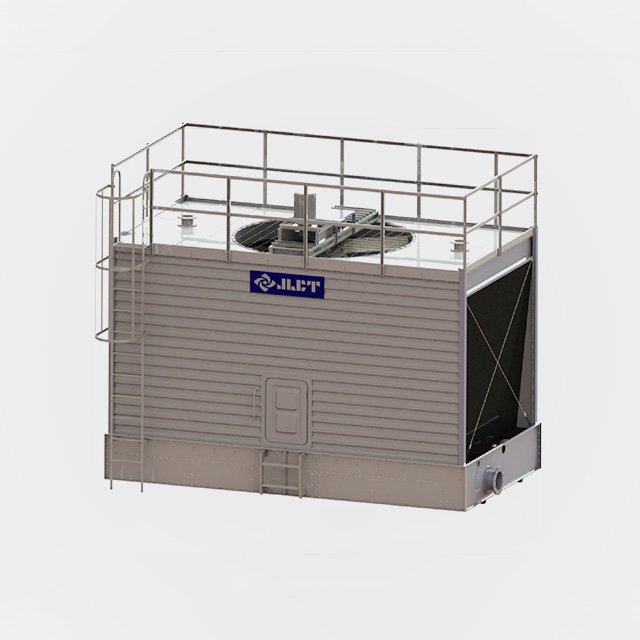
In a closed-circuit cooling tower, the circulating fluid (commonly water or glycol) is pumped through the system to absorb heat from industrial equipment. The heated fluid flows through the coil, where it is cooled by air that passes through the tower. This cooling process relies on evaporation, where a small amount of the circulating water is sprayed and evaporated to remove heat.
The key advantage of closed-circuit systems is that they keep the circulating fluid isolated from external contamination. This not only protects the fluid from external pollutants but also ensures that the water used in the cooling process does not need frequent changes, saving both time and resources.
Coils are central to the heat exchange process in closed-circuit cooling towers. As the fluid passes through the coils, heat is transferred to the coil’s surface, which is then cooled by the spray water. The air moving through the cooling tower helps carry away the heat absorbed by the spray water, ensuring the fluid continues to circulate at a controlled temperature.
Coils must be made of materials that can efficiently transfer heat while withstanding the harsh conditions of industrial operations. The choice of material influences the heat transfer efficiency, system longevity, and the amount of maintenance required over the life of the cooling tower.
Superior Thermal Conductivity
Copper is known for its excellent thermal conductivity, making it one of the best materials for heat transfer. With nearly seven times the thermal conductivity of stainless steel, copper coils can achieve higher efficiency in transferring heat. This superior thermal efficiency means that copper coils can be designed smaller, offering benefits in terms of space and system compactness, which is often a critical factor in cooling tower design.
Biofouling Resistance
One of the natural advantages of copper is its antimicrobial properties. It resists biofouling, which is the accumulation of biological organisms such as bacteria, algae, and other microorganisms on the surface of the coils. In cooling towers, biofouling can decrease heat transfer efficiency and increase maintenance costs. The natural resistance of copper to microbial growth helps maintain efficient system performance over time.
Long-Term Durability (in Controlled Conditions)
Copper is resistant to corrosion, especially when the system operates with clean, treated water. In systems with controlled pH levels and low mineral content, copper coils can last for decades without significant degradation. The long lifespan of copper makes it a reliable choice for systems where maintaining optimal heat transfer is crucial for performance.
Corrosion Risks
While copper is generally resistant to corrosion, its durability can be compromised in systems with poor water quality. If the water contains high levels of minerals or has an improper pH balance, copper coils can corrode much faster, potentially leading to leaks and reduced heat transfer efficiency. This makes copper more suitable for controlled environments where water quality can be tightly regulated.
Cost Fluctuations
Copper is a relatively expensive material compared to stainless steel, and its price can fluctuate significantly based on market conditions. This can affect the upfront costs of installing copper coils, making them a less predictable expense for budget-conscious projects.
Physical Damage Potential
Copper is a softer material compared to stainless steel, making it more prone to physical damage during transport or installation. This increased fragility means that extra care must be taken to avoid denting or bending the coils, which could impact their performance.
Copper coils are ideal for closed-circuit cooling towers that operate with clean, well-maintained water systems. Their superior heat transfer capabilities make them perfect for applications where space is limited and performance is a top priority. Additionally, copper is well-suited for systems that require a compact design, such as smaller industrial systems or those in urban environments where space efficiency is critical.
Corrosion Resistance
Stainless steel is highly resistant to corrosion, making it an excellent choice for systems exposed to rough water conditions or harsh environments. This resistance allows stainless steel coils to withstand long-term exposure to water, chemicals, and environmental stress.
Durability and Toughness
Stainless steel is a much tougher material compared to copper, providing resilience against physical damage and extreme conditions. Its strength ensures that stainless steel coils can endure harsh operational environments with less risk of degradation.
Lower Maintenance Needs
Due to its resistance to rust, corrosion, and physical damage, stainless steel coils generally require less maintenance than copper. Over the long term, this can result in cost savings, as there is less need for cleaning, repairs, or replacement parts.
Poor Thermal Conductivity
Stainless steel’s thermal conductivity is significantly lower than that of copper. This means that larger coils or additional energy input may be required to achieve the same level of cooling efficiency. Systems with stainless steel coils may need to be designed with larger surface areas or higher air volumes to compensate for the material’s lower efficiency in heat transfer.
Bulk and Weight
Stainless steel coils are heavier and bulkier than copper coils, which can pose challenges during installation and require additional structural support. The increased weight may require more space within the cooling tower, potentially making the system larger and more expensive to build and maintain.
Higher Initial Cost
Stainless steel generally has a higher initial cost compared to copper. However, this cost is often justified by the lower maintenance and longer lifespan of stainless steel, which can lead to long-term savings on repairs and replacements.
Stainless steel coils are best suited for systems that operate in harsh conditions or where the water quality cannot be tightly controlled. Their durability, corrosion resistance, and ability to withstand extreme conditions make them ideal for applications in industries such as pharmaceuticals, chemicals, or coastal facilities, where the water may be more aggressive and less predictable.
Copper coils have a clear advantage in terms of thermal efficiency, thanks to their superior thermal conductivity. This allows copper coils to achieve faster heat transfer with a smaller surface area compared to stainless steel, which requires larger coils to achieve similar cooling results. If maximum heat efficiency is your primary concern, copper is the better choice.
Stainless steel excels in environments where corrosion resistance is critical. It offers superior protection against rust, scaling, and degradation, particularly in systems with untreated or harsh water conditions. Copper, while resistant to biofouling, is more vulnerable to corrosion in systems with high mineral content or poor water quality.
Copper may have a higher initial cost due to the material’s price and the need for more precise manufacturing. However, its higher thermal conductivity can reduce operational costs over time. Stainless steel, on the other hand, tends to be more affordable upfront but may incur higher operational costs due to its lower efficiency in heat transfer.
Copper’s lighter weight and compact size make it easier to install and can reduce the overall structural requirements for the cooling tower. Stainless steel’s heavier design requires more space and structural support, which can make installation more complex and expensive.
| Feature | Copper Coils | Stainless Steel Coils |
|---|---|---|
| Thermal Conductivity | Higher (faster heat transfer) | Lower (requires larger coils) |
| Corrosion Resistance | Susceptible in harsh water conditions | Excellent in aggressive environments |
| Cost | Higher initial cost, fluctuates | Generally lower initial cost |
| Durability | Susceptible to physical damage | More durable and tougher |
| Maintenance | Requires more maintenance in harsh conditions | Lower maintenance needs |
The choice between copper and stainless steel ultimately depends on your system’s priorities. If thermal efficiency is paramount, copper is the better option. However, if durability, corrosion resistance, and reduced maintenance are more important, stainless steel is the more reliable choice.
The quality of the water in your system will heavily influence your decision. If you have clean, treated water, copper coils will provide superior performance. However, if your system operates in a harsh environment with untreated or high-mineral water, stainless steel is likely the better material for long-term reliability.
Consider the available space for your cooling tower and the weight capacity of your structure. Copper coils are smaller and lighter, while stainless steel coils are bulkier and require more support.
Copper coils offer superior thermal efficiency, making them ideal for compact designs and controlled water quality systems. However, they are prone to corrosion and physical damage. Stainless steel coils, although bulkier and less thermally efficient, excel in durability and corrosion resistance, especially in harsh environments. Choose copper for high thermal efficiency in controlled conditions, or opt for stainless steel for long-term durability and minimal maintenance in challenging conditions. Material selection is crucial for your cooling tower's performance, and by factoring in water quality and environmental conditions, you can ensure optimal efficiency and longevity. JLCT products provide reliable, durable solutions to meet diverse industrial needs, offering superior value for your cooling tower systems.
A: Copper coils offer superior thermal efficiency but are more prone to corrosion. Stainless steel coils are durable and corrosion-resistant, making them ideal for harsh environments, though they have lower thermal conductivity.
A: Copper coils are best for systems requiring high thermal efficiency and compact designs. They excel in controlled water environments where corrosion is less of a concern.
A: Stainless steel coils are ideal for cooling towers in environments with harsh water conditions. They offer excellent durability and require less maintenance, though they are less thermally efficient than copper.
A: Copper coils typically have a higher upfront cost but provide better thermal efficiency. Stainless steel coils have a lower initial cost and are more cost-effective in harsh environments due to their durability.
A: Copper coils are not recommended for untreated water systems, as they are more susceptible to corrosion. Stainless steel coils are better suited for these conditions.


